1

 1 minuto de lectura'
BOGOTA, Colombia (AP) — A human rights commission called for stronger oversight of technologies being used by criminal organizations in Latin America, saying satellite internet, drones and online platforms are helping support illegal mining and other activities threatening forests and remote communities.
The call came Tuesday from the Office of the Special Rapporteur on Economic, Social, Cultural, and Environmental Rights, known as REDESCA, which is part of the Inter-American Commission on Human Rights. It reflects growing concerns about how criminal networks are using technology to coordinate operations, monitor territories and expand their reach into remote areas.
The office urged governments to tighten controls on the transfer and use of these technologies and called on companies to assess whether their products and services could be diverted to criminal groups.
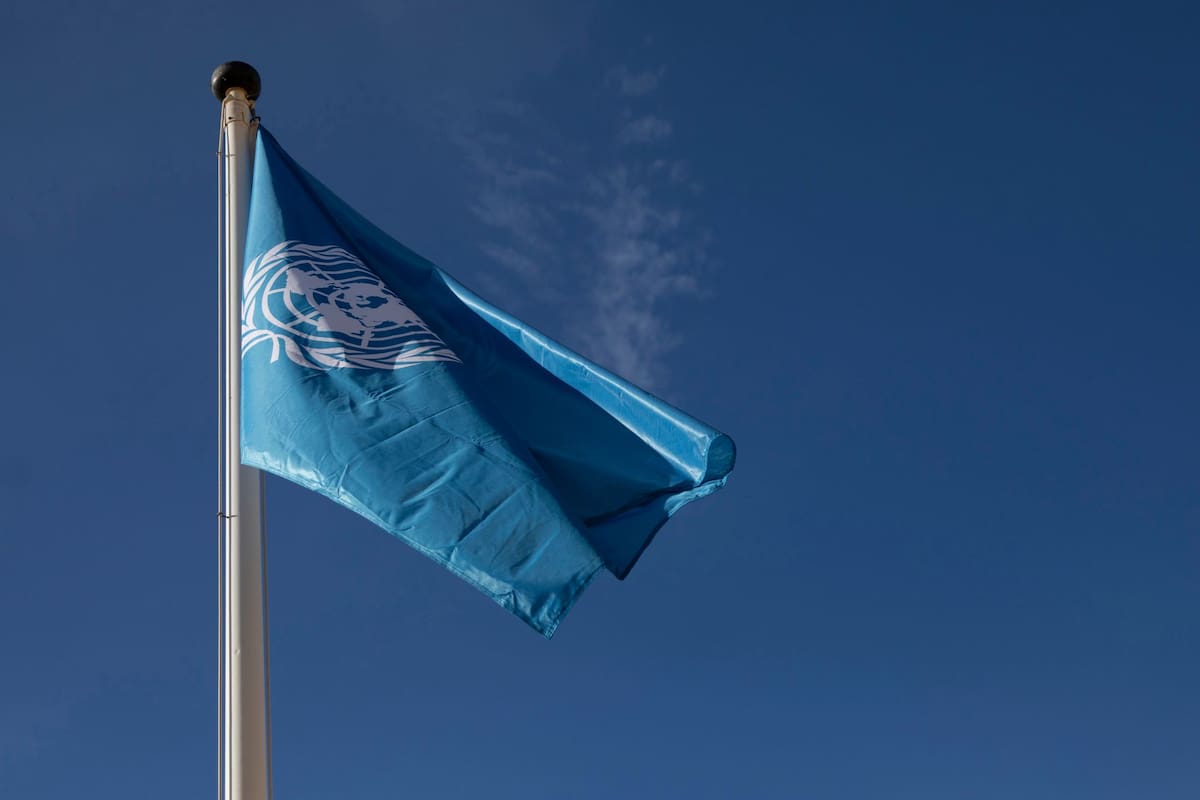
The statement coincides with a U.N. conference on transnational organized crime in Vienna, where governments are considering launching negotiations on an agreement targeting environmental crimes, including illegal mining, logging and wildlife trafficking. More than a dozen Indigenous representatives from Amazon countries are attending the Oct. 19-23 gathering, calling for stronger international action against criminal networks threatening their forests and communities.
REDESCA said satellite internet, like that provided by services such as Elon Musk’s Starlink, has been used in illegal mining operations to coordinate logistics, payments and movements in remote areas without traditional communications infrastructure.
Drones are also being used by armed and criminal groups for surveillance and territorial control around areas linked to illicit economies, it said.
The Armed Conflict Location & Event Data Project, which tracks political violence worldwide, recorded about 670 incidents involving weaponized drones across Latin America since 2018. More than 72% occurred between January 2025 and August 2026, according to an August report by the organization.
The figures reflect the wider spread of armed drones across the region and are not limited to environmental crimes.
The office also highlighted the use of social media to market mercury, a toxic metal used in illegal gold mining that can contaminate waterways and accumulate in fish consumed by local communities.
Public prosecutors documented 108 TikTok posts advertising mercury for illegal gold mining that accumulated more than 5.8 million views, according to REDESCA. The office did not identify the country or investigation involved in its response to The Associated Press.
REDESCA said publicly documented cases also include drones flown over Indigenous communities amid disputes involving illegal logging, as well as weaponized drones used to intimidate Indigenous civilians. However, it cautioned that the evidence does not always establish a direct connection between those incidents and environmental protection activities.
The same technologies being exploited by criminal groups can help Indigenous communities defend their territories.
Satellite imagery, GPS mapping and drones can detect deforestation and illegal mining, allowing communities to collect evidence of incursions while potentially reducing their exposure to armed groups.
REDESCA urged governments to strengthen oversight of technology transfers and investigate their illicit use, while calling on technology and telecommunications companies to assess whether their products and services could be diverted to criminal organizations.
The office also warned that developing and operating advanced technologies carries environmental costs, including energy and water consumption, mineral extraction and electronic waste.
It emphasized that governments should support community-led environmental monitoring without shifting responsibility for protecting territories away from public authorities.
The Associated Press’ climate and environmental coverage receives financial support from multiple private foundations. AP is solely responsible for all content. Find AP’s standards for working with philanthropies, a list of supporters and funded coverage areas at AP.org .