
1

 1 minuto de lectura'
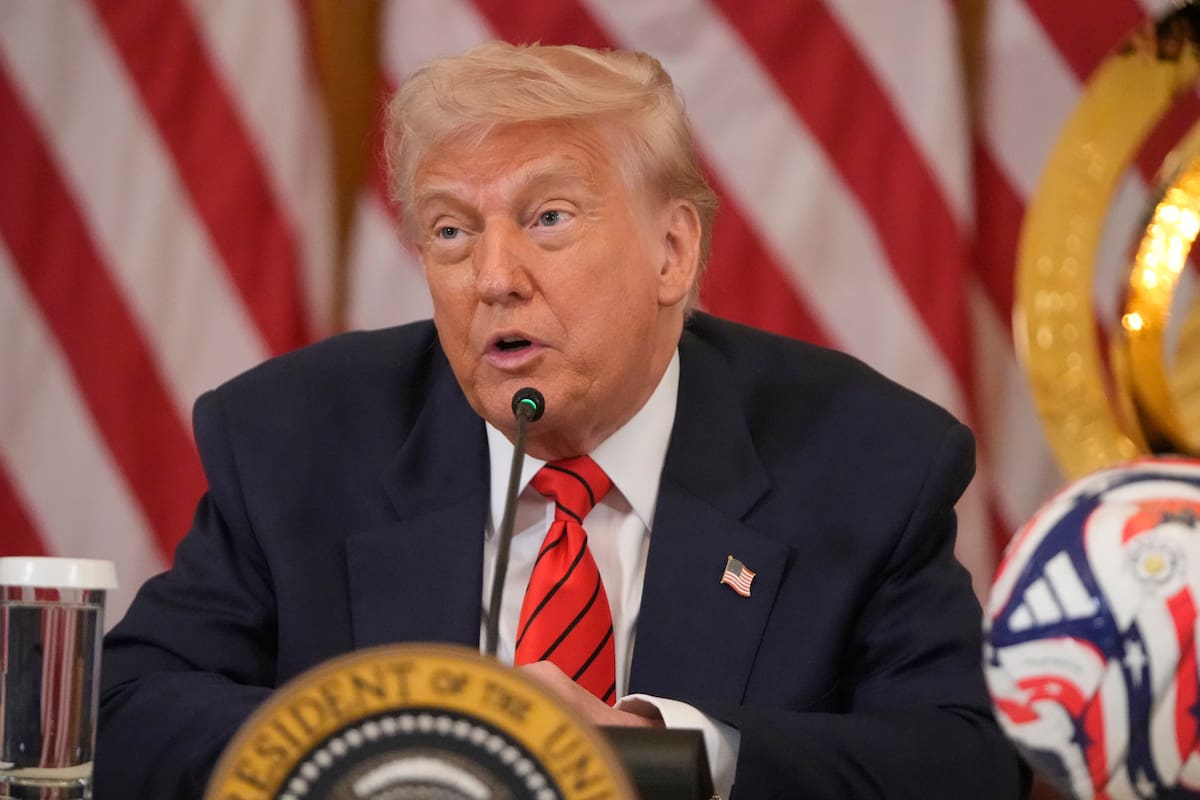
President Donald Trump in his first major interview since his party lost control of the House and Senate in the midterm elections said he thinks his administration was too aggressive on deportations and that he thinks he can work with Democrats in the new Congress on some kind of immigration deal.
Trump said his deportation policy was part of the reason Republicans lost, telling CBS’s “60 Minutes” in an interview that aired on Sunday: “I think it might be too tough, yeah.”
He added that he thinks he could reach an agreement with the new Democratic majority. “The deal would be we would work something out. And I think it’s something -- I think that’s something that’s actually doable,” he said in the interview.
Trump did not give specifics about what that deal would look like — and shortly after taping the interview on Friday, Trump named the key architect of his hard-line immigration agenda, Stephen Miller, as his new chief of staff.
“Trump says his immigration crackdown went too far,” Senate Democratic Leader Chuck Schumer scoffed on social media Sunday after the interview aired. “Apparently, his solution was to put the man responsible for it in charge of the White House. That’s not a course correction. That’s a promotion.”
The president's immigration crackdown was a prominent feature of his return to office with major operations in multiple cities sending arrests soaring . Two U.S. citizens — Renee Good and Alex Pretti — were killed by federal officers during protests against the operations.
Democrats have said oversight of Immigration and Customs Enforcement and the Department of Homeland Security is a priority for the new Congress.
Trump said he believes that “killers” and “drug dealers” in the country illegally should be deported, but suggested he was open to the idea of a deal that would let others stay “if they’re good people working in a landscaping company, or working in a hotel, or doing something, right? And in some cases, paying taxes.”