1

 1 minuto de lectura'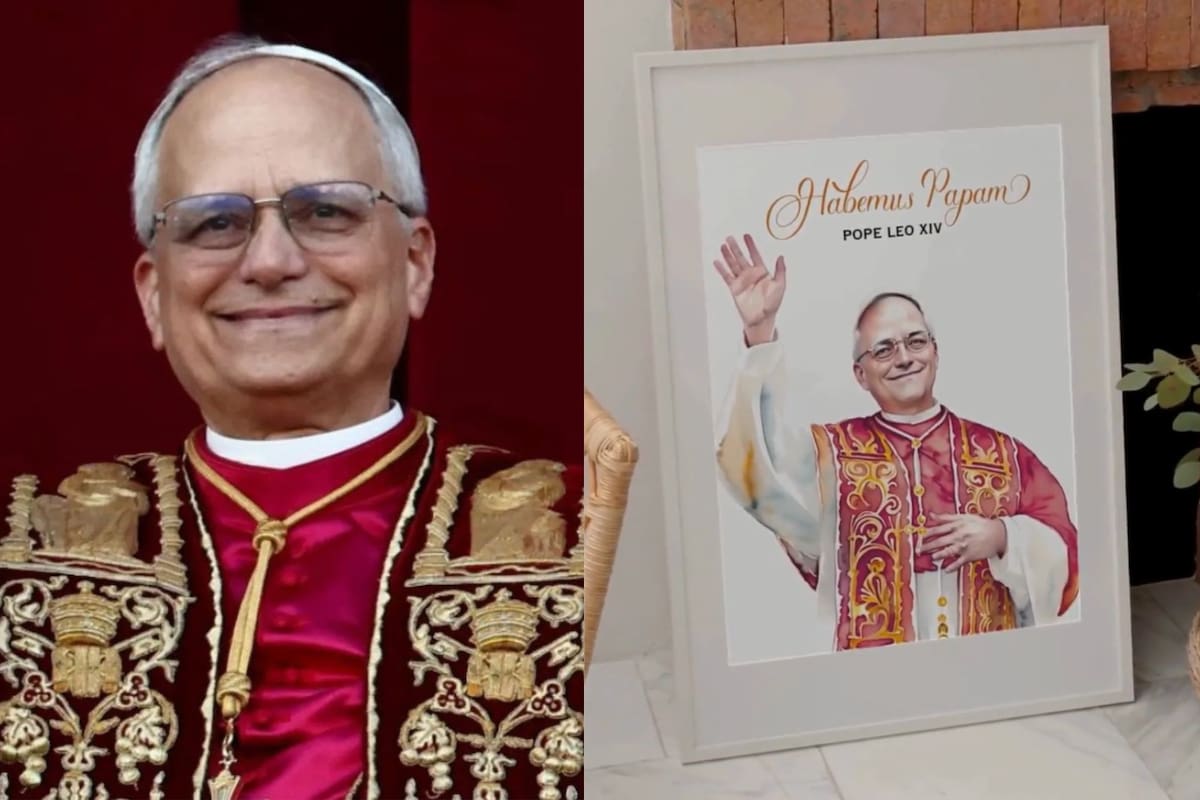
VATICAN CITY (AP) — Pope Leo XIV on Wednesday urged Catholic leaders to courageously accompany families in their weaknesses and failures, as he embraced one of Pope Francis’ most contentious teachings about welcoming Catholics in second marriages and otherwise “irregular” unions.
Leo opened a weeklong, closed-door conference assessing the implementation of Francis' 2016 document “The Joy of Love.” Leo called the text an “important” step in the church's long tradition of ministering to Catholic families for the sake of passing the faith onto future generations.
The document covers a host of issues relating to how the Catholic Church can better minister to families today as they cope with issues such as poverty, war, LGBTQ+ children and divorce. But when it was released after a yearslong consultation, it immediately sparked controversy, because it opened the door to allowing civilly remarried Catholics to receive Communion.
Church teaching holds that unless these Catholics obtain an annulment — a church decree that their first marriage was invalid — they can't receive the sacraments, since they are seen as living in sin and committing adultery.
Francis didn’t create a church-wide pass for these Catholics, but suggested that bishops and priests could do so on a case-by-case basis after accompanying them on a spiritual journey of discernment.
In his opening remarks, Leo didn’t refer specifically to Francis’ opening to civilly remarried Catholics. Speaking in English, he seemed keen to redirect the conversation to the broader issues facing young people and families today, including how to incorporate sex and intimacy within the Christian “vision” of marriage.
He urged the bishops to pay specific attention to families in their weakest moments, to listen to them, and to look at whether the church is able to respond to them.
“The experience of fragility raises the question of whether we are able to remain close to one another when life no longer corresponds to what had been hoped for, and whether we can recognize the work of grace even in situations marked by limits, wounds and apparent failure,” Leo said.
The pontiff challenged the bishops to consider what kind of church people encounter when they are most fragile.
“Do our communities help them discover that they still have a place, a responsibility and gifts to offer? Can the truth we proclaim be encountered through the patience, closeness and mercy of our pastoral presence?” he asked.
Francis’ 2016 document became one of the most divisive of his pontificate and in many ways became the focal point of conservative opposition to his papacy. Mostly conservative Catholics said that it had sown confusion among the faithful about the church’s teaching on the indissolubility of marriage.
Some even accused Francis of heresy.
Within the first year of publication, four conservative cardinals formally asked Francis to clarify certain questions, or “dubia,” raised by the text. They argued that church doctrine held that Catholics who remarried without a church annulment were living in sin and couldn’t receive the sacraments.
He never replied.
For a variety of reasons, such annulments often can't be obtained, though Francis issued a separate reform to simplify, facilitate and accelerate the process.
Organizers of the conference insisted that the meeting wasn't convened to debate or rewrite Francis' original text, but rather to understand how it had been implemented around the world and what lies ahead. No new document was expected, but a summary text was expected to be released next week wrapping up the points of discussion.
The main participants of the conference were the presidents of 115 national bishops conferences from around the world. Joining them were 11 couples, who were to offer their experiences for reflection, as well as theological experts.
Leo also had 22 personal invitations extended, including to four of his fellow Americans who were also close advisers to Francis: Chicago Cardinal Blase Cupich; Brownsville, Texas Bishop Daniel Flores; Washington Cardinal Robert McElroy and Newark Cardinal Joseph Tobin.
Two of Francis' top Vatican aides, Cardinal Víctor Manuel Fernández and Cardinal Luis Antonio Tagle also were on Leo's guest list. Two other close Francis allies, Luxembourg Cardinal Jean-Claude Hollerich and Spain Cardinal José Cobo Cano, as well as two bishops from China were on his list.
Associated Press religion coverage receives support through the AP’s collaboration with The Conversation US, with funding from Lilly Endowment Inc. The AP is solely responsible for this content.